Millenáris Exhibition- and Program Centre
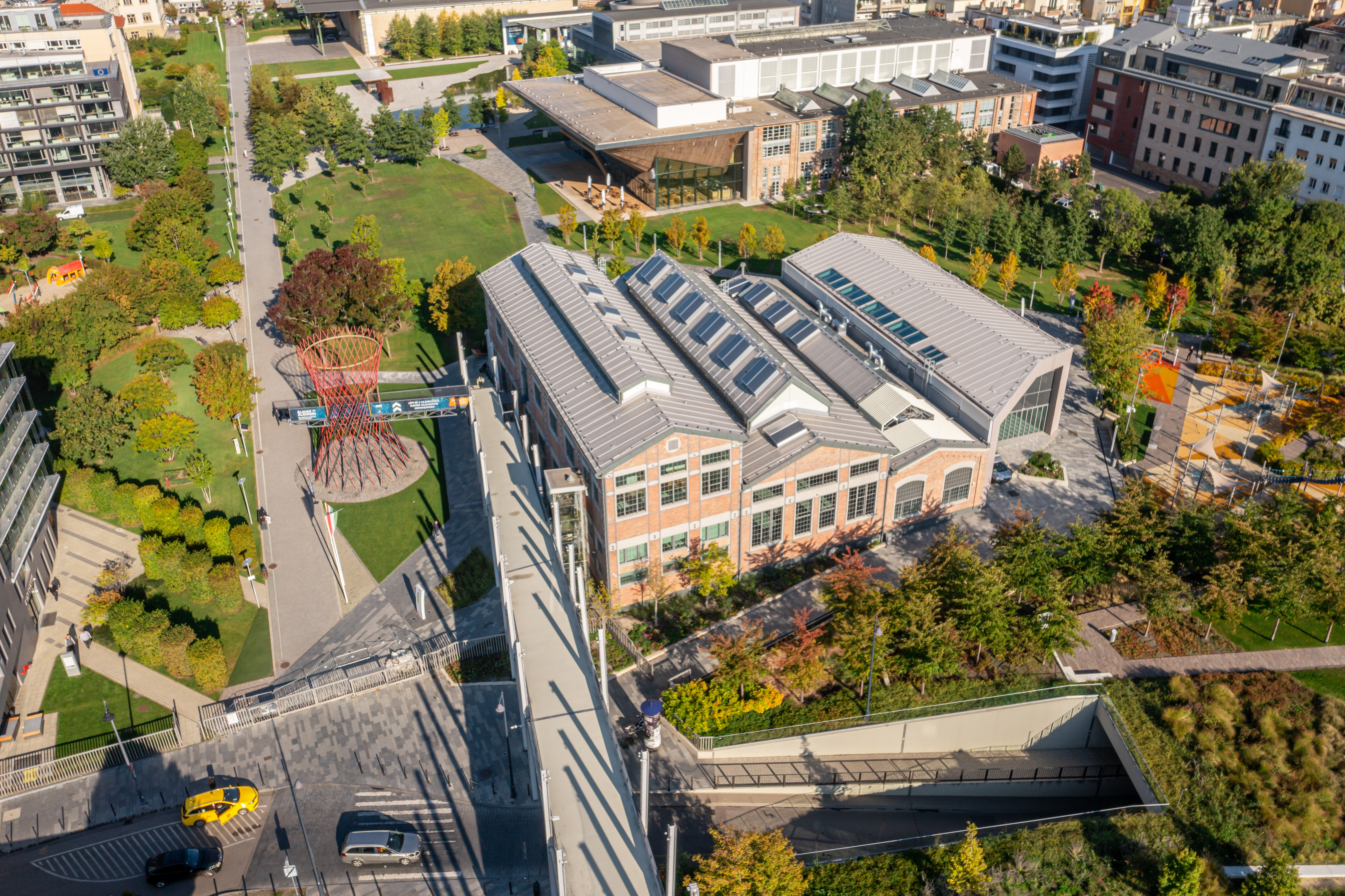
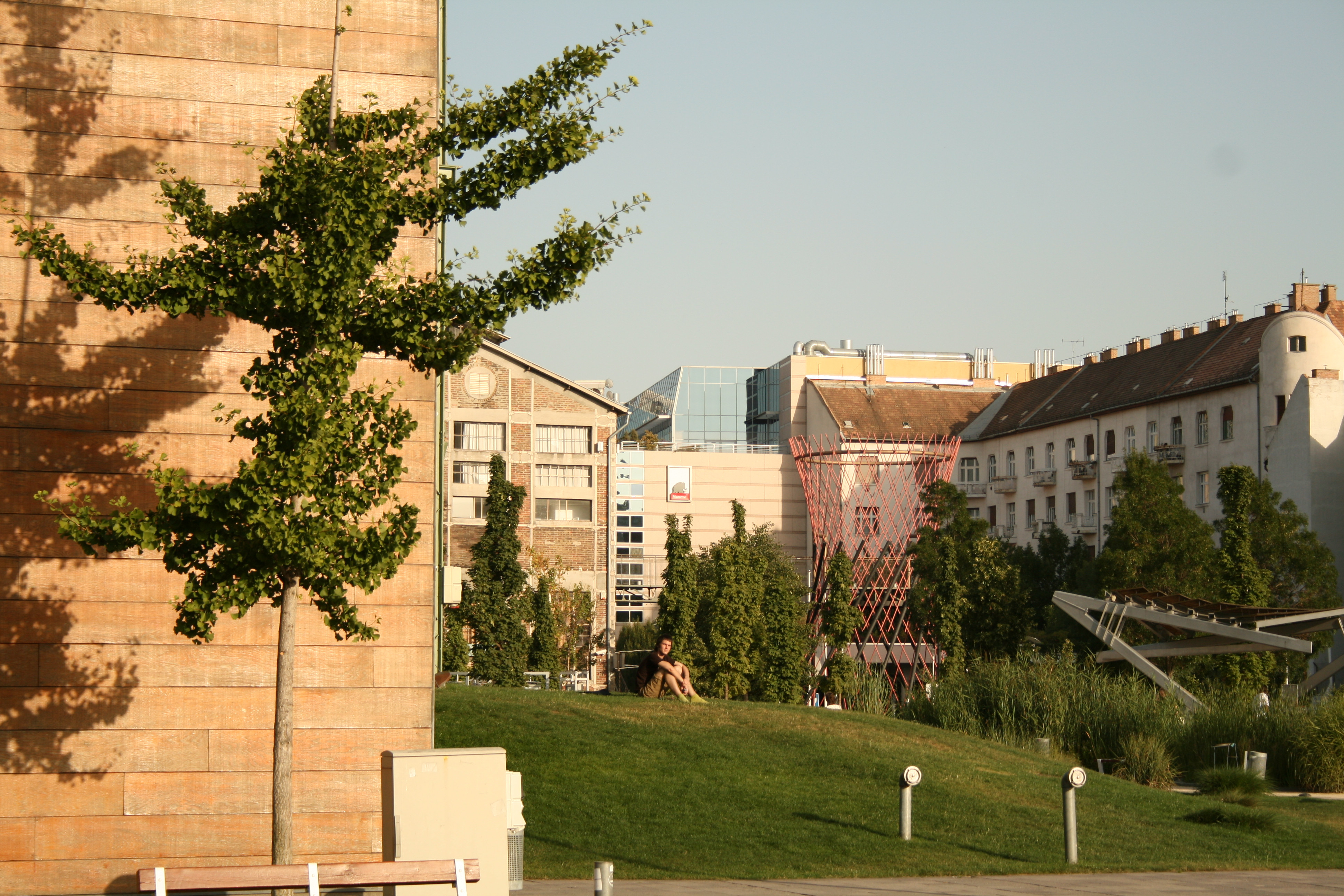
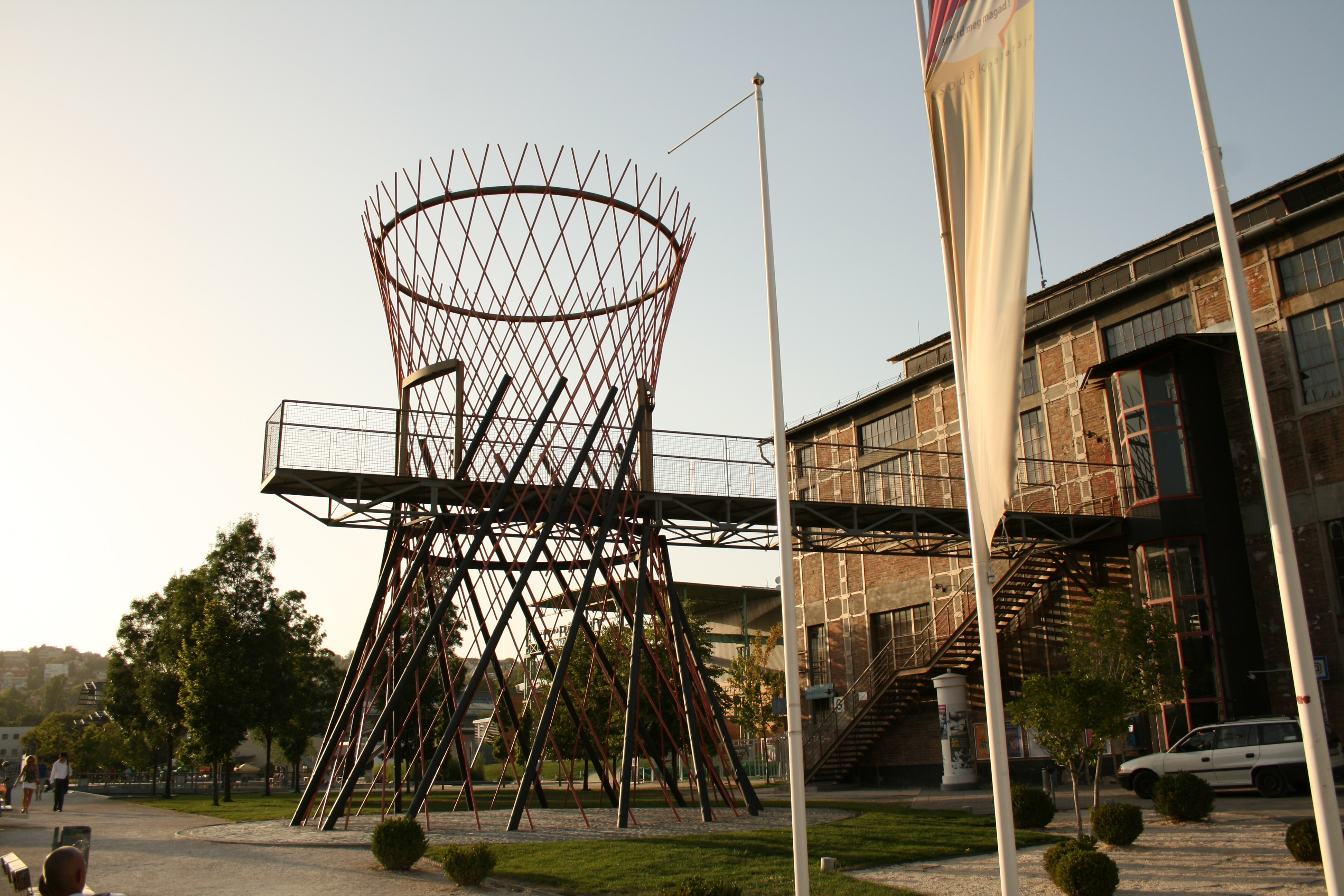
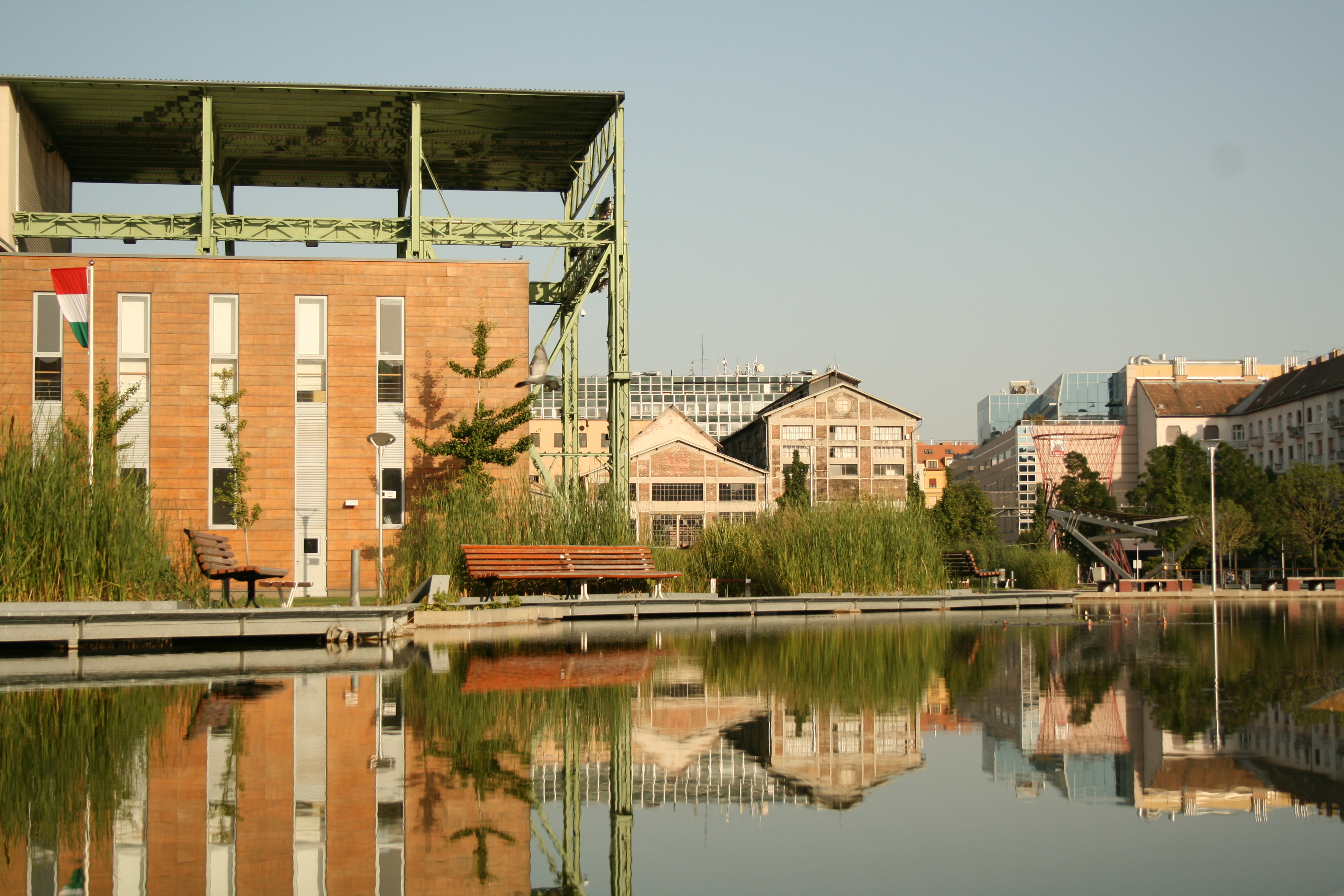
The Millenáris Exhibition and Event Centre was created through the cultural regeneration of the former Ganz Electrical Works. The immediate objective was to provide an iconic setting for the “Dreamers of Dreams – World-Famous Hungarians” exhibition. The project, however, reached beyond a single exhibition: it gave a historic industrial site a new long-term role in the cultural and community life of Budapest.
Ábrahám Ganz established his iron foundry in Buda, in what is now Ganz Street, in 1844. The successful enterprise soon outgrew its original premises. Following Ganz’s death, one of his senior colleagues, András Mechwart, founded the electrical division of the factory in 1878 and initiated development on the site now occupied by Millenáris.
Mechwart brought together outstanding scientists and engineers, including Károly Zipernowsky, Miksa Déri and Ottó Titusz Bláthy, to form an influential intellectual workshop. The Ganz Electrical Works consequently became not only a centre of industrial production but also an internationally significant centre of Hungarian engineering innovation.
This industrial and intellectual heritage provided a distinctive environment for the “Dreamers of Dreams – World-Famous Hungarians” exhibition and the associated cultural development. The exhibition introduced large audiences to the contribution made by Hungarian scientists, engineers, artists, creators and athletes to the development of Europe and the wider world.
The idea of transforming the former Ganz factory into a cultural centre was developed with the active involvement of CÉH’s designers. CÉH zRt. was present from the first conceptual steps through to completion, providing building design and project management services. Millenáris therefore remains one of the projects of which our company is particularly proud.
Design of the development was carried out between spring 1999 and summer 2001. Parts of the renewed complex entered use before the entire project was completed: at the beginning of February 2001, the refurbished G Reception Building hosted programmes of the 32nd Hungarian Millennium Film Festival.
The exhibition content and the architectural design of the venue were developed in parallel. Close cooperation between curators, artists, designers, engineers and contractors was required to bring the historic industrial spaces and the presentation of Hungarian achievements together as a coherent visitor experience.
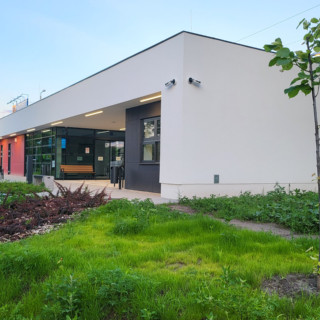
Buildings B, C and D accommodated the highly popular “Dreamers of Dreams – World-Famous Hungarians” exhibition. The new C Entrance Building, known as the Cloister, was constructed between the listed B and D halls. Building E became a new theatre and concert venue for Buda, while the former G maintenance workshop was converted into a multifunctional reception and event space.
The conversion had to preserve the character and historic structures of the industrial buildings while incorporating contemporary exhibition, theatre, event-technology, visitor and building-operation systems. CÉH’s design and project management work therefore extended beyond architectural renewal to the continuous coordination of cultural functions, technologies and construction activities.
The scale of the development is reflected in the implementation data. A total of 28,000 square metres of dilapidated, non-listed buildings was demolished, and 48,000 cubic metres of earth was moved.
Construction included 16,500 square metres of concrete work, 825 tonnes of reinforcing steel and 1,100 tonnes of structural steel. The building-services installations required 75 kilometres of pipework and 250 kilometres of electrical cabling.
The interiors incorporated 7,200 square metres of ceramic finishes, 3,200 square metres of industrial parquet, 6,400 square metres of stone carpet and 7,000 square metres of suspended ceilings.
An average of 500 people worked on the site each day. A total of 1,863 people contributed to the design and implementation of the development, and their names were preserved in recognition of the industrial and intellectual spirit of the place.
By conserving the historic values of the former Ganz works, the project created a multifunctional cultural and community centre capable of hosting exhibitions, theatre and concert programmes, public events and business functions.
The completed development received considerable attention from the Hungarian architectural and professional press. It was presented and praised in publications including Octogon, Átrium, Építési Piac and Élet és Tudomány.
Awards and recognition:
- Budapest Építészeti Nívódíja, 2001 – emlékérem és oklevél, (Budapest Architectural Excellence Award, 2001 – Commemorative Medal and Certificate)
- European Heritage Awards / Europa Nostra Awards, 2002 – Diploma, Conservation and Adaptive Reuse,
- V. Magyar Ingatlanfejlesztési Nívódíj Pályázat, 2002 – a Budapesti Kereskedelmi és Iparkamara különdíja, (5th Hungarian Real Estate Development Excellence Award Competition, 2002 – Special Prize of the Budapest Chamber of Commerce and Industry),
- FIABCI Prix d’Excellence Awards, 2003 – Special Recognition, Public Facilities category